



Motorists across the United Kingdom have now paid more than £1 billion in additional fuel costs linked to the conflict in Iran, according to new estimates from the RAC Foundation. The rise reflects sustained pressure on global oil markets and continued high prices on UK forecourts, with diesel drivers bearing the largest share of the increase.
Fuel Price Surge Adds £1 Billion to Drivers’ Costs
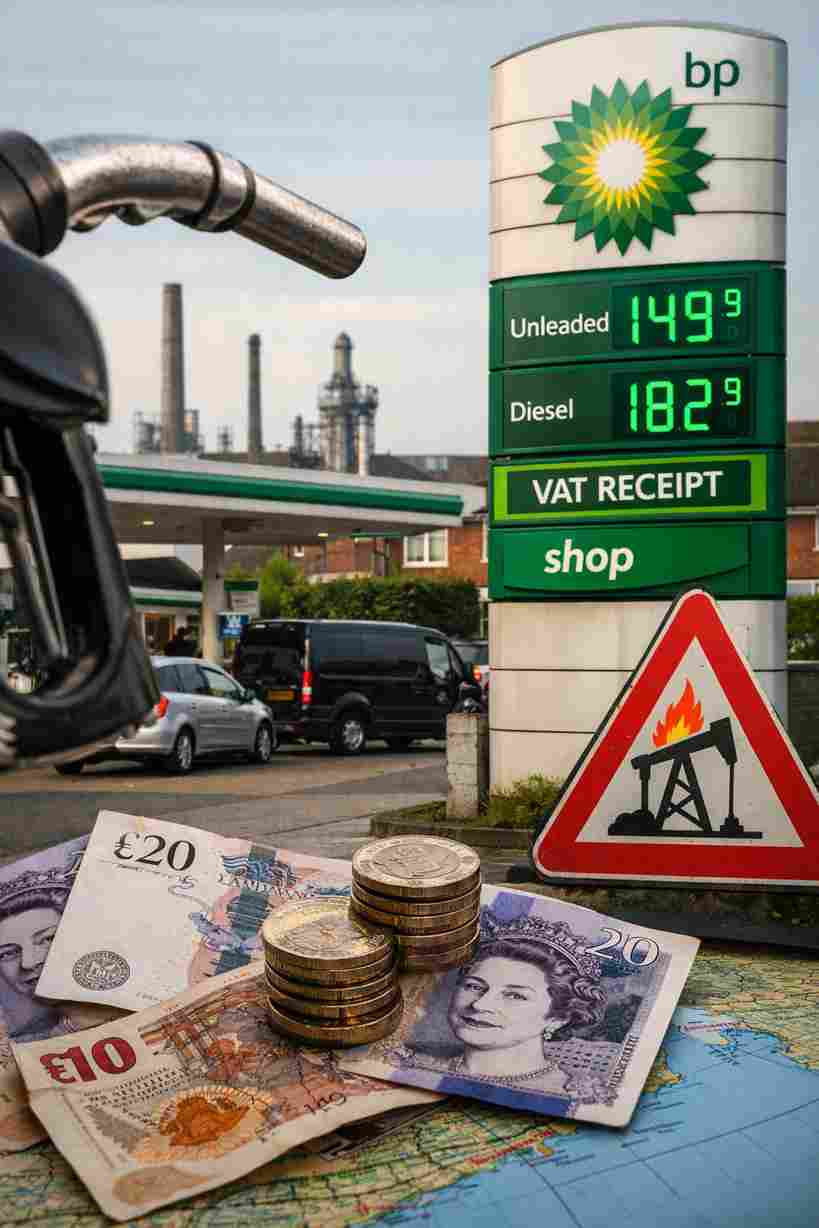
Since fighting in Iran began on 28 February 2026, UK drivers have paid an estimated £1.002 billion more for petrol and diesel than they would have if pump prices had remained at pre-conflict levels, the RAC Foundation said.
The organisation describes the increase as a “war premium” being paid by motorists as geopolitical instability continues to affect wholesale fuel markets.
Diesel Drivers Shoulder Majority of Extra Costs
Around 75% of the additional fuel bill — equivalent to £752 million — has been paid by diesel vehicle owners.
The RAC Foundation said this reflects both stronger diesel sales volumes and the fact that diesel remains significantly more expensive than petrol. On average, diesel is currently priced around 33p per litre higher than petrol.
Treasury Receives VAT Windfall From Higher Fuel Prices
Of the £1.002 billion in extra spending by motorists, approximately £167 million has gone to the Treasury through additional VAT receipts.
Because VAT is charged as a percentage of the retail fuel price, higher pump prices automatically generate greater tax revenue for the Exchequer.
Steve Gooding, director of the RAC Foundation, said drivers were continuing to feel the impact of elevated fuel prices despite hopes of easing tensions.
RAC Foundation Warns Pain at Pumps Will Continue
Steve Gooding said:
“Whether or not we are on the cusp of meaningful peace, drivers continue to pay a huge ‘war premium’ at the pumps, and the Exchequer continues to receive tens of millions of pounds from drivers in a VAT windfall it was not expecting.
“Even if the price of oil begins a sustained drop it has got a long way to go before reaching the $70 a barrel mark, which is where we were just before the conflict started. That means drivers will continue to feel financial pain on the forecourts probably for weeks to come.”
Fuel Tax Still Makes Up Large Share of Pump Prices
Tax remains a major component of fuel costs in the UK.
According to the RAC Foundation:
- 50.9% of the pump price of petrol currently consists of fuel duty and VAT
- 45.1% of the pump price of diesel is made up of taxation
This means that roughly half of what motorists pay at the pump goes directly to the government.
Brent Crude Remains Elevated at Around $100 Per Barrel
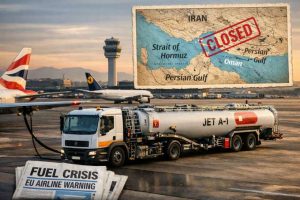
Global oil prices remain well above pre-conflict levels, with Brent crude trading at around $100 per barrel.
Before the outbreak of conflict in late February, Brent crude had been trading closer to $70 per barrel, underlining the scale of the market disruption caused by the crisis.
Diesel Vehicles Still Common on UK Roads
Government figures show diesel vehicles continue to account for a significant portion of Britain’s vehicle fleet.
As of the end of the third quarter of 2025, there were:
- 4.6 million diesel vans on UK roads
- 10.3 million diesel cars
- 18.9 million petrol cars
The prevalence of diesel-powered commercial vehicles and family cars helps explain why diesel users have absorbed most of the recent increase in fuel costs.
Outlook for UK Fuel Prices
With oil prices still elevated and wholesale markets remaining volatile, fuel analysts warn that UK motorists are unlikely to see a substantial fall in petrol and diesel prices in the immediate term.
Unless crude prices retreat significantly in the coming weeks, drivers are expected to continue facing above-average costs at the pump despite any broader easing in geopolitical tensions.

Charles Dickens is a contributor to Highlands Today, covering news, politics, business, technology, sport, entertainment, and lifestyle. He focuses on clear, accurate reporting and useful information that helps readers stay informed about current affairs and developments affecting their communities. His work highlights relevant stories, emerging trends, and important issues, presenting them in a balanced, accessible, and reader-friendly manner.