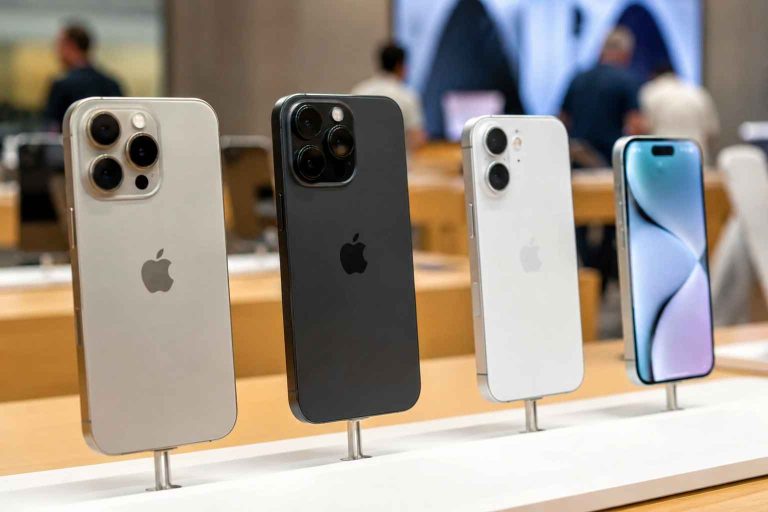




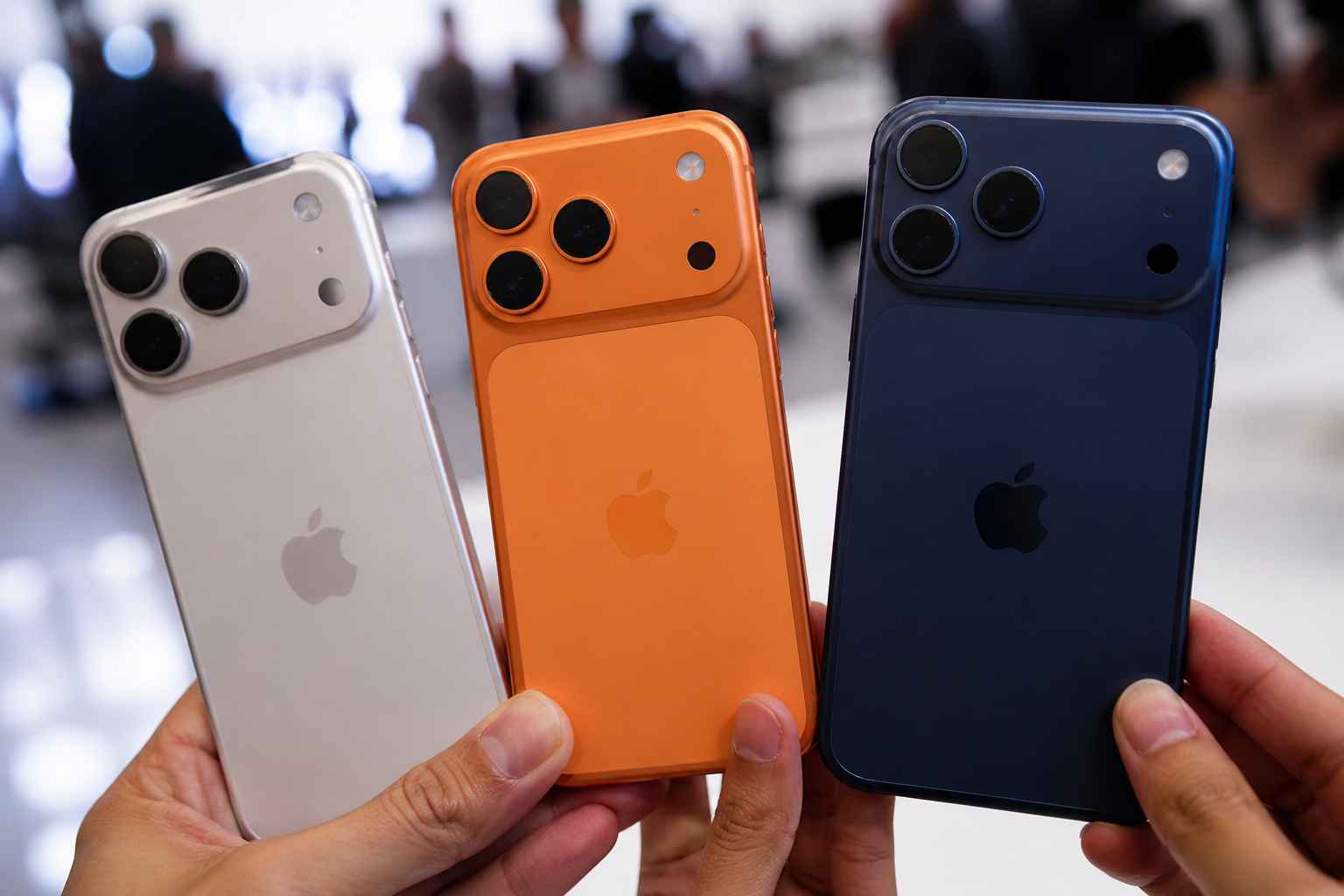
Apple’s annual fall product event is one of the most closely watched dates on the consumer tech calendar, drawing global attention comparable to major U.S. corporate unveilings. With expectations building around the next generation of iPhones, new details are narrowing down when consumers can expect the Apple to introduce its latest flagship devices.
Industry patterns and recent updates suggest that the upcoming lineup—likely including the iPhone 18 Pro, iPhone 18 Pro Max, and a long-rumored foldable device—will follow Apple’s well-established September release cycle.
Expected iPhone 18 Event Date
Apple’s September Tradition
Apple has consistently used early September to debut its flagship smartphones, anchoring one of the company’s most important annual announcements. These keynote events typically take place at Apple Park in Cupertino, California, and set the stage for product preorders and retail availability shortly afterward.
Historically, Apple schedules its keynote during the first half of September, most often on a Tuesday or Wednesday. The event avoids certain dates—most notably September 11—and rarely deviates from this pattern unless external factors intervene.
Narrowing Down the 2026 Keynote Window
For 2026, the likely keynote dates fall within two windows:
- Tuesday, September 8 or Wednesday, September 9
- Tuesday, September 15 or Wednesday, September 16
However, one key factor eliminates an early option.
Why September 8 Is Unlikely
In the United States, Labor Day—observed on the first Monday of September—affects Apple’s scheduling. The company traditionally avoids hosting its keynote immediately after the holiday, as it requires significant logistical coordination, including flying in journalists, analysts, and international guests.
In 2026, Labor Day falls on Monday, September 7. That makes Tuesday, September 8 an unlikely choice for the event.
As a result, industry watchers increasingly point to Wednesday, September 9, or the following week—September 15 or 16—as the most probable dates.
What Apple Is Expected to Announce
iPhone 18 Pro and Pro Max
The iPhone Pro models are expected to remain the centerpiece of the event, showcasing Apple’s latest advancements in performance, camera systems, and design. These models typically target premium users and professionals, and often introduce features that later expand across the broader lineup.
A New Foldable: iPhone Ultra?
Perhaps the most anticipated addition is Apple’s first foldable phone, widely rumored to be called the iPhone Ultra—though “iPhone Fold” remains a possibility. If confirmed, this would mark Apple’s entry into a category currently dominated by competitors like Samsung.
Foldable smartphones have gained traction in recent years, particularly in global markets such as South Korea and Europe. A U.S.-focused release from Apple could significantly accelerate mainstream adoption.
Launch Timeline After the Keynote
Apple’s release cadence is typically precise:
- Keynote announcement: Early to mid-September
- Preorders: Usually begin the Friday following the event
- Retail availability: About 10 to 14 days after the keynote
This predictable schedule allows U.S. carriers, retailers, and consumers to prepare for one of the busiest shopping periods outside the holiday season.
Broader Context: Why the Timing Matters
Apple’s September launch aligns strategically with the back-to-school season and precedes the holiday shopping surge. In the U.S., where iPhone upgrades are often tied to carrier promotions and trade-in programs, this timing helps drive strong fourth-quarter sales.
The event also sets the tone for the broader tech industry, influencing competitors and shaping consumer expectations heading into year-end.
Conclusion
While Apple has yet to officially confirm the date, established patterns and calendar constraints point to mid-September 2026 as the most likely window for the iPhone 18 launch event. With the addition of a potential foldable device alongside the Pro models, this year’s unveiling could represent one of Apple’s most significant product expansions in years.

Charles Dickens is a contributor to Highlands Today, covering news, politics, business, technology, sport, entertainment, and lifestyle. He focuses on clear, accurate reporting and useful information that helps readers stay informed about current affairs and developments affecting their communities. His work highlights relevant stories, emerging trends, and important issues, presenting them in a balanced, accessible, and reader-friendly manner.